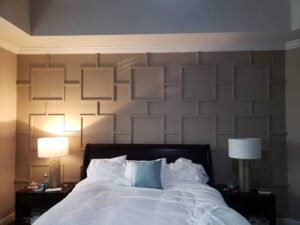
If you are looking for an Accent Wall Carpenter Kingwood TX homeowners can turn to for attractive interior upgrades, T&F Carpentry can help you explore carpentry options that add character, texture, and visual interest to your living space. A well-designed accent wall can transform an ordinary room into a more distinctive environment through decorative molding, wood paneling, board-and-batten designs, or custom wood slats.
Accent walls are a popular way to refresh a home’s interior without remodeling every room. Whether you want a stylish feature behind your living room sofa, a decorative wall in the primary bedroom, or a more detailed design in your entryway, the right carpentry can help bring your ideas to life.
For homeowners in Kingwood, TX, choosing suitable materials, planning the layout, and ensuring accurate installation are important steps toward achieving a finished look that complements the rest of the home.
What Is an Accent Wall?
An accent wall is a wall designed to stand out from the surrounding surfaces. It may use a different color, texture, material, or decorative pattern to create a focal point within a room.
Carpentry-based accent walls use materials such as wood boards, trim, panels, and molding to create architectural detail. Unlike a simple painted wall, these designs add physical depth and dimension to the interior.
Popular options include:
- Wood slat accent walls
- Board-and-batten wall designs
- Decorative picture-frame molding
- Geometric wood patterns
- Horizontal wood paneling
- Shiplap-style feature walls
- Custom trim and panel combinations
The best option depends on your home’s existing style, the dimensions of the wall, your preferred finish, and the overall atmosphere you want to create.
Accent Wall Carpentry Services in Kingwood, TX
A custom accent wall should complement the room rather than compete with its other features. Careful measurements, consistent spacing, and appropriate material selection help create a balanced result.
Wood Slat Accent Walls
Wood slat walls use narrow strips of wood arranged in a consistent pattern across a selected wall. The vertical lines create texture and can draw the eye upward, making them an attractive option for living rooms, bedrooms, home offices, and entertainment areas.
Homeowners can choose natural wood finishes for warmth or painted slats for a more contemporary appearance. The spacing between slats, their width, and the color of the background all influence the final design.
Accurate layout is essential. Each slat should be positioned consistently, and the installation method should suit the wall construction and material being used. If the wall will support a television or shelving, the mounting requirements should be planned separately so the decorative surface is not relied upon to carry unsupported loads.
Board-and-Batten Accent Walls
Board-and-batten is a decorative wall treatment created by arranging vertical and horizontal boards or trim pieces into a structured pattern. It can create a classic, farmhouse-inspired, transitional, or contemporary appearance depending on the spacing and proportions.
This style works well in entryways, bedrooms, dining rooms, hallways, and living areas. A simple layout can provide subtle architectural detail, while a more elaborate arrangement can create a stronger focal point.
Before installation, the wall should be measured and the pattern mapped out. Consistent spacing is especially important when the design includes several vertical sections. Outlets, switches, windows, doors, and existing baseboards must also be considered.
Picture-Frame Molding and Decorative Wall Trim
Picture-frame molding uses trim pieces arranged into rectangular or square shapes on the wall. This approach adds depth without necessarily covering the entire surface with panels.
It can be used in dining rooms, bedrooms, formal living areas, stairways, and entryways. The molding may be painted to match the wall for a subtle effect or contrasted with the wall color to emphasize the pattern.
A well-planned layout takes the wall’s dimensions and surrounding furniture into account. Even spacing, accurately cut corners, and neatly finished joints help the design look intentional and professionally installed.
Geometric Wood Accent Walls
Geometric accent walls use angled lines, intersecting pieces, or repeating shapes to create a distinctive decorative feature. Depending on the design, the pattern may be understated or serve as the main visual element in the room.
These walls can work well behind a bed, in a home office, or on a feature wall in a living area. Because the design often relies on precise angles and repeated measurements, planning is particularly important.
The pattern should be laid out before materials are cut. This helps prevent awkward gaps at the edges and keeps the design balanced around furniture, wall openings, and other fixed features.
Horizontal Wood Paneling and Shiplap
Horizontal wood paneling creates a linear appearance that can complement rustic, coastal, farmhouse, and contemporary interiors. Shiplap-style boards are one option for homeowners who want a clean, repeating pattern with visible horizontal lines.
Material choices range from paintable engineered panels to natural wood boards and decorative panel products. Each option has different installation, finishing, and maintenance considerations.
Before installation, the wall should be checked for surface condition and the appropriate attachment method. The selected material should be installed according to its manufacturer’s guidance, with suitable consideration for wall construction and environmental conditions.
Custom Accent Walls with Trim and Molding
Some homeowners prefer a design that combines several carpentry elements rather than using one type of paneling. For example, a wall might include decorative molding, a framed central section, and coordinated baseboards.
Custom trim can also be used to complement existing crown molding, interior doors, cabinetry, and other architectural details. This is particularly useful when updating a room that already has a defined design style.
The key is consistency. The profile, scale, and spacing of the new woodwork should work with the room’s proportions and existing finishes.
Where Can You Install an Accent Wall?
Accent walls can be used throughout a home, but the location should be selected carefully. A feature wall is most effective when it enhances the room’s layout and draws attention to an appropriate focal point.
Living Room Accent Walls
The living room is a common location for decorative carpentry because it often serves as a central gathering space. An accent wall behind a sofa, entertainment unit, or other focal feature can help define the room.
Wood slats, decorative molding, and horizontal paneling are all possible options. The selected design should account for furniture placement, lighting, and any television or shelving that will be mounted on the wall.
A restrained design can provide texture without overwhelming the space, while a more detailed pattern can work when the rest of the room is relatively simple.
Bedroom Accent Walls
A feature wall behind the bed can give a bedroom a clear focal point. Vertical slats, panel molding, and simple geometric patterns are possible ways to introduce depth and character.
The wall design should complement the bed, nightstands, lighting, and other furniture. Consider how the pattern will align with the headboard and whether wall-mounted fixtures need special planning.
Choosing materials and finishes that suit the room’s existing colors can help the accent wall feel integrated rather than separate from the overall design.
Entryway and Hallway Accent Walls
Entryways and hallways can benefit from decorative wall treatments that add interest to spaces that might otherwise appear plain. Board-and-batten designs and picture-frame molding can create a more finished appearance without requiring extensive changes.
Because hallways are often narrow, the size and spacing of decorative elements should be selected carefully. Oversized patterns can make a small area feel crowded, while a simpler layout may create a cleaner effect.
Trim and paneling should also be planned around doorways, switches, and other wall features.
Home Office Accent Walls
A home office accent wall can help define a workspace and create a more organized background for video calls or meetings. Wood slats, painted paneling, or geometric trim may suit a variety of office styles.
Before installation, consider desk placement, shelving, cable management, outlets, and equipment mounts. Planning these elements together helps prevent the finished wall from interfering with the practical needs of the workspace.
Benefits of Hiring an Accent Wall Carpenter
Accent wall installation involves more than attaching decorative boards to a wall. A successful project depends on accurate layout, appropriate materials, suitable fastening, and careful finishing.
A Design That Fits Your Space
A custom carpentry design can be adapted to the dimensions and layout of your room. Rather than selecting a pattern that may not fit, you can plan the spacing, proportions, and materials around the wall’s actual measurements.
This is especially helpful for walls with unusual dimensions, nearby doors, windows, or other architectural features.
Consistent Spacing and Clean Finishing
Uneven lines and inconsistent gaps can be noticeable in repeated patterns. A carpenter can plan the layout, measure individual sections, and make precise cuts to help maintain a consistent appearance.
Finishing details also matter. Filling appropriate nail holes, addressing small gaps, sanding where necessary, and preparing surfaces for paint can help create a cleaner result.
Coordination with Existing Interior Trim
An accent wall should complement the home’s other woodwork. Baseboards, crown molding, window casing, and door trim all influence how the new feature will look.
Coordinating these details during planning helps prevent mismatched profiles and awkward transitions. If existing trim needs to be removed or adjusted, that work should be included in the project scope.
A Focused Interior Update
An accent wall allows homeowners to make a noticeable change without redesigning the entire room. Depending on the selected material and installation requirements, a single feature wall may be a manageable way to introduce a new style.
The final cost and effort will depend on the wall’s dimensions, the complexity of the pattern, the condition of the surface, and the finishing work required.
How to Plan Your Accent Wall Project
Good preparation helps ensure the design suits your home and avoids unnecessary adjustments during installation.
Choose the Right Wall
Start by identifying the wall you want to emphasize. Consider how people enter the room, where furniture is positioned, and which surfaces naturally attract attention.
A wall behind a sofa or bed may work well, while a wall crowded with doors, windows, or built-in features may require a simpler design.
Select a Style and Material
Decide whether you prefer the look of natural wood, painted trim, slats, paneling, or geometric patterns. Material selection should reflect the desired appearance, maintenance requirements, budget, and suitability for the installation environment.
For additional ideas and planning guidance, see this HGTV guide to creating a wood panel accent wall.
Measure and Map Out the Design
Measure the wall’s height and width, then account for baseboards, crown molding, outlets, switches, doors, and windows. Sketching the pattern or marking it on the wall before cutting materials can help you evaluate spacing and proportions.
This step is especially important for symmetrical designs and geometric patterns. A small layout adjustment before installation can prevent an uneven or awkward arrangement later.
Prepare the Surface
The wall should be inspected for loose material, moisture damage, and other conditions that could affect installation. Any underlying problems should be addressed before decorative materials are added.
The attachment method must suit the selected product and the wall construction. Electrical outlets, switches, and any planned wall-mounted equipment should also be accounted for before installation begins.
Plan the Final Finish
Decide whether the accent wall will be painted, stained, or left with a natural material appearance. Confirm how nail holes, joints, edges, and transitions will be finished.
If the new design will connect with existing trim, discuss how the materials and profiles will meet. These details can make a substantial difference to the overall appearance.
What Affects the Cost of Accent Wall Carpentry?
The cost of hiring an accent wall carpenter in Kingwood, TX, depends on the design and the work needed to complete it.
Important factors include:
- Wall dimensions: Larger walls typically require more material and installation time.
- Design complexity: Straightforward paneling generally involves less layout work than detailed geometric patterns.
- Material selection: Solid wood, engineered panels, decorative trim, and specialty products vary in price.
- Surface preparation: Repairs, removal of existing trim, or corrections to the wall surface may add to the scope.
- Finishing requirements: Painting, staining, caulking, sanding, and other finishing tasks should be clarified in advance.
- Installation details: Outlets, switches, doors, windows, and other obstacles may require additional measuring and cutting.
- Custom features: Integrated shelving or specially designed components may require more planning and labor.
To understand the likely cost, provide the contractor with the wall measurements, photographs, preferred design, and any special requirements. A written estimate should clarify materials, labor, preparation, finishing, and exclusions.
Choosing an Accent Wall Carpenter in Kingwood, TX
Before hiring a contractor, review experience with the type of accent wall you want. Installing simple picture-frame molding differs from fitting wood slats or building a complex geometric feature.
Ask how the design will be measured and laid out, what materials are recommended, and how the edges and transitions will be finished. Reviewing examples of similar work can also help you communicate your expectations.
It is useful to confirm the full scope before installation begins, including whether existing trim must be removed, who will handle painting, and how furniture or nearby areas will be protected.
T&F Carpentry offers carpentry services for homeowners planning interior woodwork and decorative improvements. You can visit T&F Carpentry to learn more about its services and discuss your home improvement plans.
Create a Distinctive Interior with Custom Accent Wall Carpentry
A carefully designed accent wall can add depth, texture, and character to a home. Whether you prefer modern wood slats, classic board-and-batten, decorative molding, or custom geometric patterns, the right carpentry can help the feature complement your home’s overall style.
For homeowners considering an accent wall carpenter in Kingwood, TX, the best starting point is to identify the wall, choose a design that suits the room, and establish a clear plan for materials and installation.
With thoughtful planning and attention to detail, an accent wall can become a distinctive feature that enhances your living space without requiring a complete room renovation. T&F Carpentry can help you explore carpentry options for your next interior improvement project.