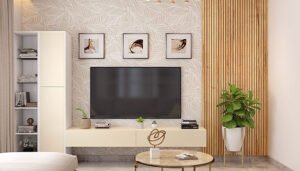
A professionally designed wood feature wall installation in Kingwood, TX can transform an ordinary room into a more attractive and welcoming space. Whether you want to add warmth to your living room, create a stylish bedroom accent wall, or introduce decorative woodwork into a home office, a custom wood feature wall offers a practical way to improve your interior.
Wood feature walls combine texture, patterns, and natural materials to create a focal point without requiring a complete room renovation. From modern vertical wood slats to traditional board-and-batten designs, there are many ways to customize a wall to complement your home’s architecture and interior style.
T&F Carpentry provides carpentry and finish woodwork services for homeowners and businesses. For property owners in Kingwood, TX, professional feature wall installation can help bring a decorative design together with accurate measurements, carefully fitted materials, and clean finishing.
What Is a Wood Feature Wall?
A wood feature wall is a decorative wall designed to stand out from the surrounding interior surfaces. It typically uses wood boards, panels, molding, or other decorative materials to introduce texture and visual interest.
Unlike ordinary painted walls, feature walls create depth through patterns, dimensions, and different finishes. They can be designed around furniture, fireplaces, entertainment centers, beds, or other important areas of a room.
Common applications include:
- Living room accent walls
- Bedroom feature walls
- Fireplace surrounds and decorative wall sections
- Home office wood walls
- Dining room paneling
- Entryway and hallway features
- Reception areas and commercial interiors
The design can be simple and understated or more detailed, depending on the room and the homeowner’s preferences.
Popular Wood Feature Wall Designs in Kingwood, TX
Choosing the right design is one of the most important parts of a feature wall project. The pattern, material, and finish should complement the surrounding space rather than compete with it.
Vertical Wood Slat Walls
<text>Vertical wood slat walls are a popular choice for modern interiors. They use evenly spaced wooden strips to create a repeating pattern that adds texture and visual height to a room.</text>
<AsyncImage query=”modern interior vertical natural oak wood slat accent feature wall living room” aspectRatio=”16:9″ width=”100%”/>
This style works well behind televisions, in living rooms, bedrooms, and office spaces. Homeowners can choose natural wood tones, painted finishes, or darker colors to achieve different appearances.
Board-and-Batten Feature Walls
Board-and-batten designs use vertical boards and horizontal or perimeter trim to create a structured decorative pattern. They can add traditional character to bedrooms, hallways, dining rooms, and living spaces.
<AsyncImage query=”elegant white board and batten wood panel accent wall bedroom interior” aspectRatio=”16:9″ width=”100%”/>
The spacing and proportions should be planned according to the wall dimensions. Consistent panel widths and clean joints help the finished wall look balanced.
Geometric Wood Feature Walls
Geometric designs use angled or intersecting wood pieces to create distinctive patterns. These walls can become a focal point in contemporary living rooms, entertainment areas, and home offices.
<AsyncImage query=”modern geometric wood accent wall decorative timber pattern interior” aspectRatio=”16:9″ width=”100%”/>
Because the design involves multiple angles and intersections, accurate measurements and careful cutting are especially important.
Shiplap Wood Walls
Shiplap-style paneling creates a clean horizontal or vertical pattern using overlapping or closely fitted boards. It works well in farmhouse-inspired, traditional, and contemporary interiors.
<AsyncImage query=”modern farmhouse horizontal wood shiplap feature wall living room” aspectRatio=”16:9″ width=”100%”/>
The final appearance can be changed through the choice of board width, wood finish, paint color, and installation direction.
Decorative Picture Frame Molding
Picture frame molding uses decorative trim pieces arranged into rectangular or square sections. It is a suitable option for homeowners who want a more traditional feature wall without covering the entire surface with wood panels.
<AsyncImage query=”luxury interior decorative rectangular picture frame wall molding painted wall” aspectRatio=”16:9″ width=”100%”/>
When carefully measured and installed, this design can complement crown molding, baseboards, and existing interior trim.
Where Can You Install a Wood Feature Wall?
A custom wood feature wall can work in many areas of a home. The best location depends on the room’s layout and the design feature you want to highlight.
Living Room Feature Walls
The living room is one of the most common locations for decorative woodwork. A feature wall behind a television, fireplace, or seating arrangement can create a focal point and make the room feel more coordinated.
Wood slats, decorative panels, and geometric patterns are all possible choices. The layout should account for television mounts, electrical outlets, lighting, and other wall-mounted features.
Bedroom Accent Walls
A wood feature wall behind the bed can help define the sleeping area and introduce texture into the room. Vertical slats, horizontal paneling, and decorative molding can all work well.
The design should complement the headboard, furniture, flooring, and lighting. A balanced pattern can add visual interest without making the room feel crowded.
Home Office Walls
A decorative wood wall can give a home office a more organized and distinctive appearance. It can also create an attractive background for video meetings.
Wood paneling and slat designs are useful options when you want to add character without changing the entire room.
Dining Room and Entryway Walls
Feature walls can also improve the appearance of dining areas, hallways, and entryways. Decorative molding or wood paneling can help define these spaces and connect them with the home’s overall interior design.
Choosing the Right Materials for a Wood Feature Wall
The material selected for your feature wall affects its appearance, installation requirements, maintenance, and overall project cost.
Solid Wood
Solid wood offers natural grain patterns and a distinctive appearance. It can be stained, painted, or finished to suit different interior designs.
The specific wood species should be selected according to the desired look, availability, and project requirements.
MDF Panels and Trim
Medium-density fiberboard (MDF) is commonly used for painted decorative wall designs, including board-and-batten and picture frame molding.
It provides a smooth surface and can be cut into different shapes and profiles. However, moisture exposure and product specifications should be considered when selecting MDF for a particular location.
Wood Veneer Panels
Wood veneer panels provide the appearance of natural wood while using a different construction method. They can be suitable for larger decorative surfaces where a consistent grain appearance is desired.
Pre-Finished Decorative Panels
Pre-finished panels offer a ready-made appearance and may reduce some finishing work. They are available in different patterns, textures, and colors.
The installation method depends on the panel manufacturer’s specifications and the condition of the wall.
What Is Involved in Professional Wood Feature Wall Installation?
A quality feature wall begins with planning and continues through precise installation and finishing. Each stage contributes to the final appearance.
1. Evaluating the Wall and Room
The existing wall should be inspected before materials are selected. Its dimensions, surface condition, corners, outlets, switches, and nearby trim all influence the installation plan.
Any potential obstructions or hidden services should be identified before fastening materials to the wall.
2. Planning the Design and Layout
The design should be planned according to the wall’s width and height. This includes deciding on panel dimensions, spacing, direction, pattern, and placement of decorative elements.
A layout drawing can help identify potential issues before cutting begins.
3. Selecting and Preparing Materials
Once the design is established, the appropriate wood, panels, trim, and installation materials can be selected.
Wood products may need time to acclimate to the interior environment according to the manufacturer’s recommendations. Proper preparation helps reduce problems during installation.
4. Measuring and Cutting
Each component must be measured and cut according to the approved layout. Corners, edges, electrical openings, and transitions require particular attention.
For geometric patterns and detailed molding arrangements, small measurement errors can affect the appearance of the entire wall.
5. Installing the Panels or Wood Pieces
The selected installation method depends on the material and wall conditions. Appropriate fastening, adhesive, backing, or furring systems may be required.
Panels and wood pieces should be aligned and secured according to product specifications.
6. Completing the Finishing Work
After installation, nail holes, joints, edges, and other visible details may need filling, sanding, caulking, staining, or painting.
The final finish should complement the surrounding walls, flooring, furniture, and other trim elements.
For additional project-planning guidance, Bunnings’ guide to creating a wood panel feature wall explains how to plan patterns, measure materials, dry-fit components, and complete installation and finishing.
Factors That Affect Wood Feature Wall Installation Costs
The cost of wood feature wall installation in Kingwood depends on the design, materials, wall dimensions, and amount of preparation required.
Some important cost factors include:
- Wall size: Larger walls generally require more materials and installation time.
- Design complexity: Simple vertical panels may involve less detailed work than geometric patterns or custom molding layouts.
- Material selection: Solid wood, MDF, veneer, and pre-finished panels have different costs and installation requirements.
- Wall preparation: Uneven surfaces, damaged drywall, and existing trim removal can add work.
- Electrical and other openings: Outlets, switches, and wall-mounted features may require additional measuring and cutting.
- Finishing requirements: Painting, staining, sanding, filling, and sealing can affect the overall project scope.
- Custom details: Integrated shelving, decorative trim, and other special features may require additional planning and labor.
A project assessment helps determine the materials, installation steps, and finishing work needed for your specific wall.
Benefits of Hiring a Professional Carpenter
Although decorative panels may appear simple, achieving a balanced and properly fitted feature wall requires careful planning.
Professional carpentry offers several practical advantages.
Accurate layout: Proper measurements help maintain consistent spacing and alignment throughout the design.
Clean cuts and joints: Carefully fitted corners and connections create a more polished appearance.
Suitable installation methods: Different materials and wall conditions require appropriate fastening and support.
Coordinated design: A carpenter can consider how the feature wall will work with baseboards, crown molding, doors, and other interior details.
Attention to finishing: Properly completed edges, joints, and surfaces help the feature wall look integrated with the rest of the room.
Why Choose T&F Carpentry for Wood Feature Wall Installation?
T&F Carpentry provides carpentry and finish woodwork services for residential, commercial, and multifamily properties. Its services include wood paneling, accent walls, interior trim, cabinets, doors, and other custom carpentry projects.
Whether you want a modern wood slat wall, traditional board-and-batten design, decorative molding, or a custom panel arrangement, planning and installation details are important to the final result.
The goal is to create a feature that suits the room’s dimensions, complements its existing design, and provides the appearance you want.
Visit the T&F Carpentry website to learn more about its carpentry services and interior woodwork solutions.
Schedule Wood Feature Wall Installation in Kingwood, TX
A custom wood feature wall can bring warmth, texture, and personality to your home or business. From simple decorative paneling to detailed geometric designs, the right carpentry can transform an ordinary wall into an attractive focal point.
If you are considering wood feature wall installation in Kingwood, TX, T&F Carpentry can help you plan a project that suits your interior and design preferences. Whether you want to update a bedroom, enhance a living room, or add decorative woodwork to an office, professional installation helps bring the details together.