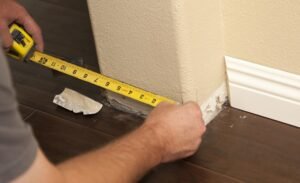
If you are looking for a trim carpenter in Kingwood, TX, T&F Carpentry provides residential carpentry services to help homeowners improve the appearance and finish of their interiors. From installing baseboards and crown molding to fitting door casing, window trim, and decorative woodwork, properly installed trim adds definition and creates a more polished look throughout your home.
Trim is often one of the final details completed during construction or remodeling, but it can make a significant difference in the finished space. Clean corners, consistent spacing, and neatly fitted joints help connect walls, ceilings, floors, doors, and windows into a cohesive design.
Whether you are renovating one room, updating several interior spaces, or finishing a newly constructed home, professional trim carpentry can help bring your design plans together.
Trim Carpentry Services in Kingwood, TX
Trim carpentry includes the installation and fitting of decorative and functional woodwork throughout a home. The right trim style depends on the room’s proportions, architectural design, and the finishes already in place.
T&F Carpentry offers carpentry services for homeowners and property projects in Kingwood, Houston, and surrounding Texas communities.
Baseboard Installation and Replacement
Baseboards create a finished transition between the wall and floor while helping protect lower wall surfaces from everyday scuffs and impacts. They can also conceal small gaps at the edges of flooring, depending on the installation.
A trim carpenter measures and cuts baseboards to fit each wall, including inside corners, outside corners, and transitions between rooms. Proper fitting helps minimize visible gaps and creates a consistent appearance.
Replacing old baseboards can be especially useful during flooring upgrades, interior painting, or a broader home renovation. Homeowners can choose simple profiles for modern interiors or more decorative designs for traditional spaces.
Crown Molding Installation
Crown molding adds detail where walls meet ceilings. It can create a refined finish in living rooms, bedrooms, dining rooms, hallways, and other interior spaces.
Installing crown molding requires accurate measurements and careful cuts, particularly where walls meet at corners. Ceiling irregularities and variations in wall angles can also affect the final fit.
The molding profile should suit the room’s size and design. Wider, more decorative molding may complement some traditional interiors, while simpler profiles can work well in contemporary homes.
Door Casing and Trim Installation
Door casing frames an interior doorway and helps conceal the joint between the door frame and surrounding wall. Well-fitted casing can make a new door installation look complete and improve the appearance of existing doorways.
A trim carpenter considers the door’s dimensions, frame alignment, casing width, and corner details before installation. The selected profile should coordinate with the home’s baseboards and other interior finishes.
If you are replacing interior doors, installing new casing at the same time may help create a more consistent look across your home.
Window Trim Installation
Window trim gives interior windows a finished appearance while connecting them visually to the surrounding walls. Depending on the design, it may include side casing, a head casing, a sill, and an apron beneath the window.
Accurate measurements and clean joints are important because trim around windows is often highly visible. The carpenter must also account for the window’s position, wall thickness, and existing interior finishes.
Updating window trim can refresh a room without replacing the windows themselves, provided the existing window and surrounding materials are in suitable condition.
Decorative Wall Trim and Paneling
Decorative trim can transform plain walls into more detailed architectural features. Options include board-and-batten layouts, picture-frame molding, wainscoting, and geometric trim patterns.
These designs can work in entryways, dining rooms, bedrooms, living rooms, and home offices. The layout should be planned around wall dimensions, ceiling height, doors, windows, and furniture placement.
Careful spacing and consistent alignment help the finished design look intentional rather than crowded. Homeowners should also consider whether the trim will be painted or stained before selecting materials and profiles.
Why Precision Matters in Trim Carpentry
Trim installation requires more than cutting boards to length. Small inaccuracies can become noticeable when pieces meet at corners or run along long walls.
Professional trim carpentry focuses on the details that influence the finished appearance, including:
- Accurate measurements: Correct dimensions help ensure trim fits each wall and opening.
- Clean corner joints: Carefully cut and fitted joints create a neater finish.
- Consistent alignment: Straight trim and even spacing improve the overall appearance.
- Suitable fastening: Installation methods should be appropriate for the trim material and wall conditions.
- Careful transitions: Doorways, window openings, corners, and changes in wall direction require attention.
- Finishing preparation: Filling nail holes, caulking suitable gaps, and preparing surfaces can help achieve a clean painted finish.
Existing homes may have uneven walls, out-of-square corners, or variations in ceiling height. A trim carpenter needs to account for these conditions rather than assume every surface is perfectly straight.
Choosing the Right Trim Style for Your Home
Trim should complement the home’s interior rather than compete with other design elements. Before choosing a profile, consider the overall style of your rooms and how the new trim will coordinate with doors, cabinets, flooring, and wall colors.
Simple and Modern Trim
Simple trim profiles work well in contemporary interiors where clean lines and understated details are preferred. Narrower or square-edged baseboards and uncomplicated door casing can create a neat, minimal appearance.
Traditional Decorative Trim
Homes with a traditional design may suit more detailed baseboards, layered crown molding, and decorative door casing. These profiles can add visual depth when they are proportionate to the room.
Coordinated Trim Throughout the Home
Using compatible trim styles across connected rooms can create a consistent look. The profiles do not have to be identical everywhere, but they should work together visually.
For example, baseboards and door casing can share similar design details, while crown molding provides an additional decorative element at the ceiling. Planning these features together helps prevent mismatched finishes during renovation.
For general information on residential building and remodeling, visit the National Association of Home Builders.
Trim Carpentry for New Construction and Remodeling
Trim carpentry is important in both new homes and existing properties. In new construction, trim helps complete the interior after major building components are installed. During remodeling, it can refresh older rooms and tie new features into the existing design.
A flooring replacement project may require new baseboards or adjustments around doorways. A new interior door may need matching casing, while a kitchen update may involve trim work around cabinets or nearby openings.
Scheduling matters because trim installation often takes place alongside painting, flooring, cabinetry, and other finishing tasks. Discussing the sequence of work ahead of time can help reduce unnecessary removal or damage to completed surfaces.
T&F Carpentry provides carpentry services for residential projects in Kingwood and the surrounding Houston area. Visit the T&F Carpentry website to learn more about its services.
What Affects the Cost of a Trim Carpenter in Kingwood, TX?
The cost of trim carpentry depends on the size of the project, the materials selected, and the amount of detailed fitting required. Installing baseboards in one room differs from fitting crown molding and decorative wall trim throughout an entire home.
Several factors can affect the overall cost:
- Type of trim: Baseboards, crown molding, door casing, and custom wall designs involve different installation requirements.
- Material selection: Wood, MDF, and other trim products vary in price and finishing needs.
- Project dimensions: Longer walls, higher ceilings, and more openings can increase material and labor requirements.
- Existing conditions: Uneven walls, damaged surfaces, or old trim that needs removal may require additional work.
- Design complexity: Decorative patterns and custom corners generally require more detailed measurements and cuts.
- Finishing work: Painting, staining, caulking, and surface preparation may be included or priced separately.
For a clearer estimate, identify the rooms you want to update, choose a preferred trim style, and provide measurements or photos where possible. Confirm whether material supply, removal of existing trim, installation, and finishing are included in the project scope.
Why Choose T&F Carpentry for Trim Work?
Choosing a trim carpenter means finding a service provider who understands the importance of accurate fitting and careful finishing. Even straightforward trim installation requires planning to ensure the pieces fit properly and complement the surrounding surfaces.
T&F Carpentry provides residential carpentry services that include baseboards, crown molding, interior doors, door and window trim, cabinetry, and decorative woodwork.
Whether you are updating a single room or coordinating several interior improvements, it helps to discuss the desired style, existing conditions, material options, and finishing requirements before the work begins.
The goal is to create trim details that look appropriate for your home and work with the rest of your interior design.
Hire a Trim Carpenter in Kingwood, TX
If your home needs new baseboards, crown molding, door casing, window trim, or decorative wall details, professional trim carpentry can help create a more complete and consistent interior.
Carefully installed trim can refresh older rooms, complement new flooring and doors, and add architectural interest without requiring a major renovation.
T&F Carpentry serves homeowners and property projects in Kingwood, TX, and surrounding Texas communities. Visit the company’s website to explore available carpentry services and discuss your trim installation plans.
Frequently Asked Questions
What does a trim carpenter do?
A trim carpenter installs and fits interior finishing materials such as baseboards, crown molding, door casing, window trim, and decorative wall molding.
Can trim be installed in an older home with uneven walls?
Yes, but uneven walls and corners may require additional measuring, cutting, and fitting. The installation approach depends on the condition of the existing surfaces and the trim design.
Should I replace baseboards when installing new flooring?
It depends on the condition of the existing baseboards and the flooring project. Some homeowners reuse their existing trim, while others replace it for a refreshed appearance or to accommodate changes in floor height.
Can I install crown molding and baseboards during the same project?
Yes. Coordinating these installations can help create a consistent interior finish and may simplify planning when multiple rooms are being updated.
Should trim be painted before or after installation?
The best approach depends on the material and project requirements. Some trim can be pre-primed or partially painted before installation, followed by filling, caulking where appropriate, and touch-up painting. Follow the product manufacturer’s instructions and confirm the finishing plan before work begins.